
In today’s guest post, Danielle Smith, Interim Director of the Center for International Studies at Georgia Southern University writes about the recent history of Europe’s borderlands in the context of the on-going refugee crisis. Danielle’s research interests cover memory and identity constructions in transitional societies, especially focusing on Europe.
Quickly skimming the international press coverage from a week ago yields headlines that flattered Angela Merkel and the German government for their openness and incredible dedication to taking humanitarian action in the face of a seemingly overwhelming number of asylum-seeking refugees entering Europe. The Economist went so far to praise Chancellor Merkel’s “brave, decisive, and right” leadership on the issue as a sea change from years of “cautiously incremental decision-making.” This global eagerness to praise the German government’s actions glossed over – as anyone who has followed the state’s relationship with its minority populations can predict – the internal derision and push-back from nativist and nationalist groups.
This time the rhetoric was ignited by the arrival of refugees in numbers larger than predicted, and served to magnify far-right, right, and even some centrist party fears about safety, security, and the fate of Germany as a nation. To these groups, Germany’s overwhelming burden stems from the inability and unwillingness of other European Union states to take on their fair share of refugees, as determined a quota recently set by the European Commission. Nationalist rhetoric contextualizes this crisis as further weakening Germany economically and culturally. On September 13, the German government announced its intention to reverse previous pledges and close its southern borders with Austria by 5pm, thus temporarily exiting the Schengen Area. These chaotic and vacillating decisions represent far larger than a single domestic or foreign policy action by the state of Germany. It does, rather, symbolize decades of unresolved issues related to the development of a supra-national European identity and the role of state and national borders that stubbornly remain in conflict with the idea of “Europe” as an identity space.
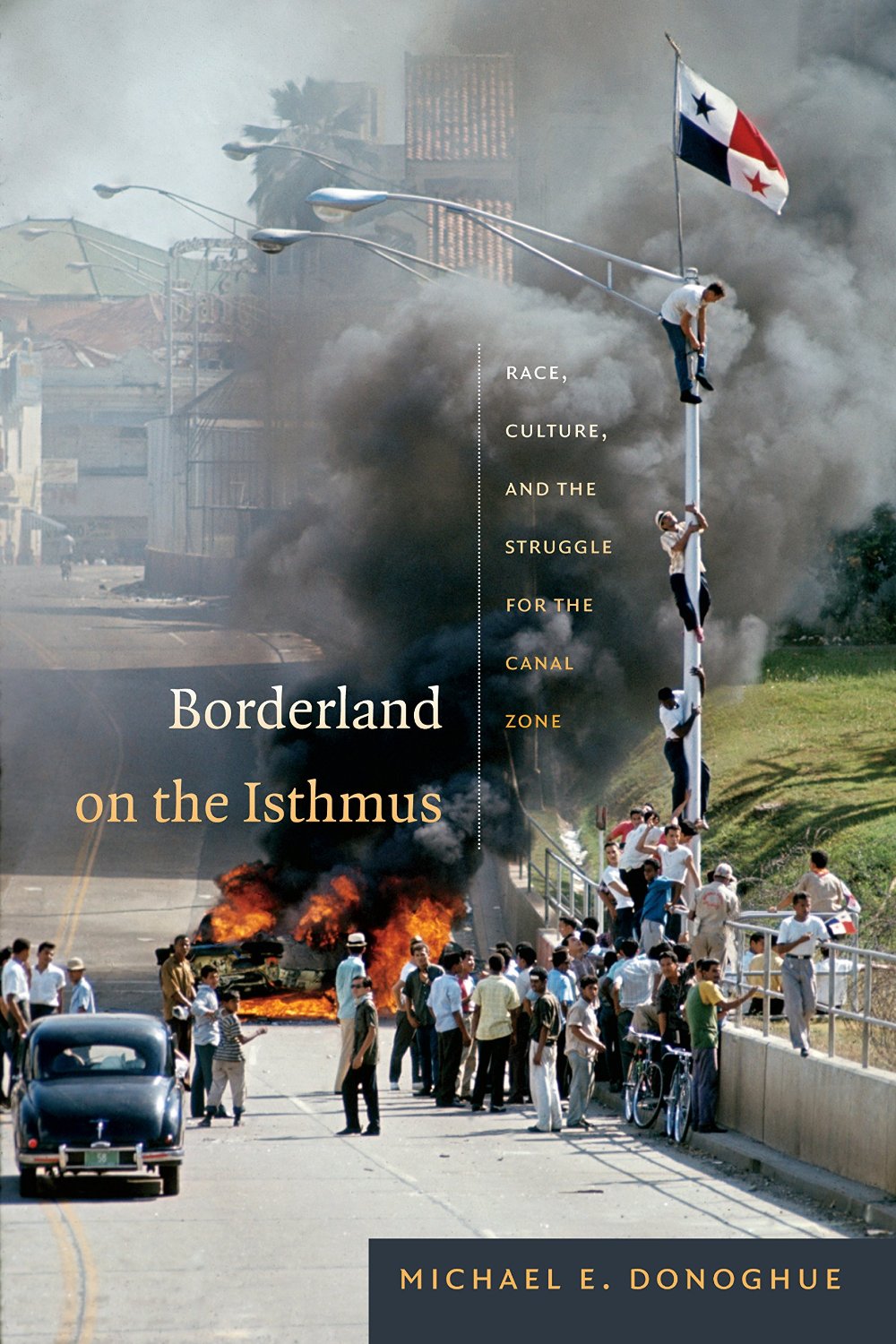
An important feature in the creation of identities and nations are borderlands, representing a set of boundaries where people attempt to define the beginning and ending of “otherness,” a task that can only be achieved in the idealistic self-delineating of national identities. On the contrary, borderlands are often classified as frontiers because they represent a co-mingling of identities along politically designated boundaries. These complicated situations suffer from a variety of conflicting responses related to the proper conceptualization for imagining these landscapes and dividing national groups, ranging from attempted cultural integration, to forced assimilation, to outbreaks of violent ethnic chauvinism. For the EU, the Schengen Agreement originated as a remedy for divisive centripetal forces which produce nationalist center-seeking and “othering” at defined borders.
In large geographic states, people have the ability to physically move away from borderlands to the center and escape the constant pressure of and disentangle themselves from the immediacy of these otherness questions. Pursuing nation-states counters the purpose and goals of developing a European Union of ever closely tied states. Fostering borderless mobility between states serves to confer the conception of a state to the larger territory of Europe, especially as comprised by those states that agree to and abide by the terms of Schengen. This is an important point as the classical definition of a state does include the presence of a permanent population. Borderless mobility, then, enables heterogeneity amongst nations formerly confined to specific spaces and eliminates inclusion/exclusion dynamics by erasing borders that foster such practices. Ideally, no European whose nationality originates within the Schengen Area can be an “other,” and these national identities become combined into the ideal of “European.” Continue reading


 Borderlands History